Dangsan Namu

Village Guardian Trees of South Korea

South Korea, 2024-ongoing

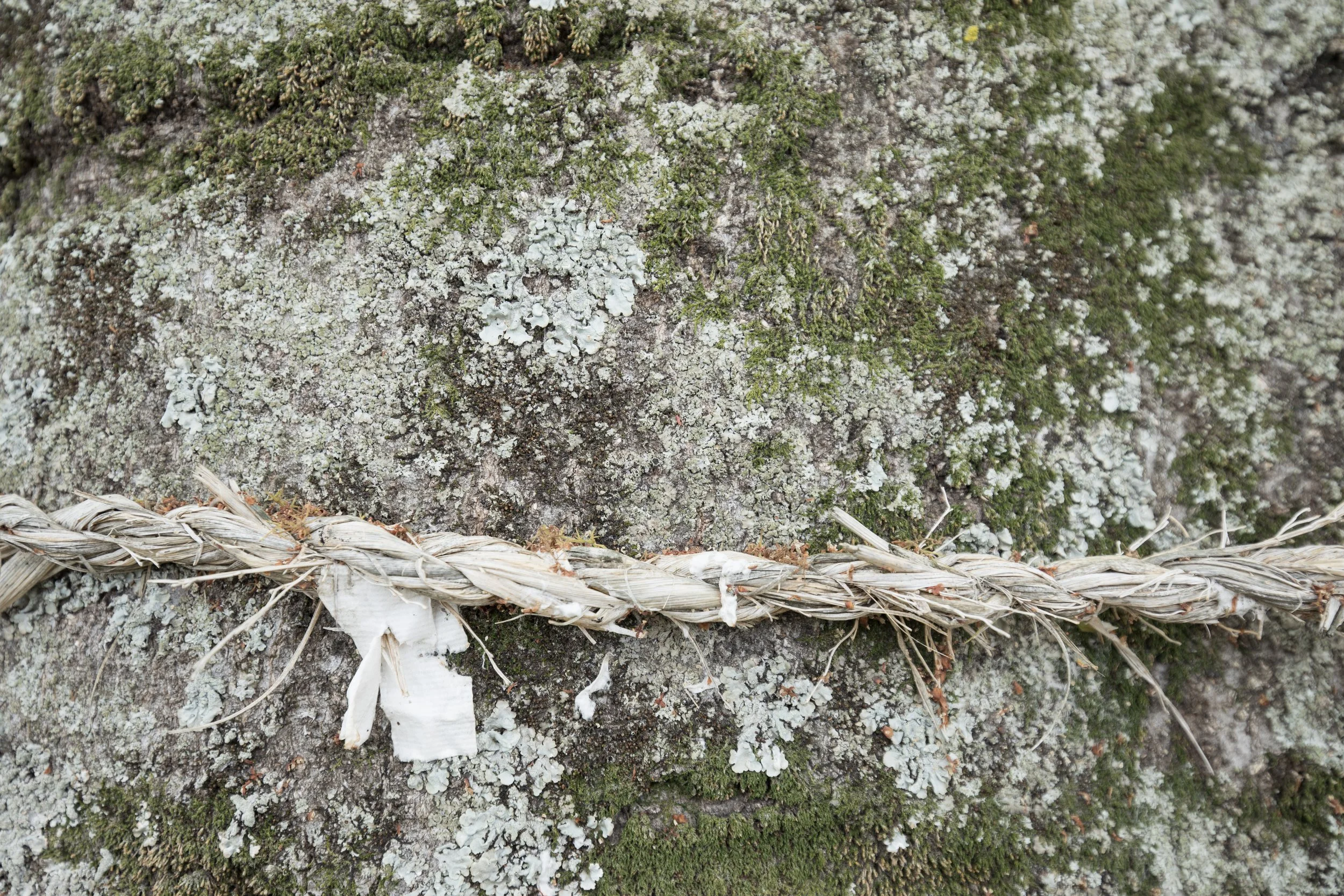
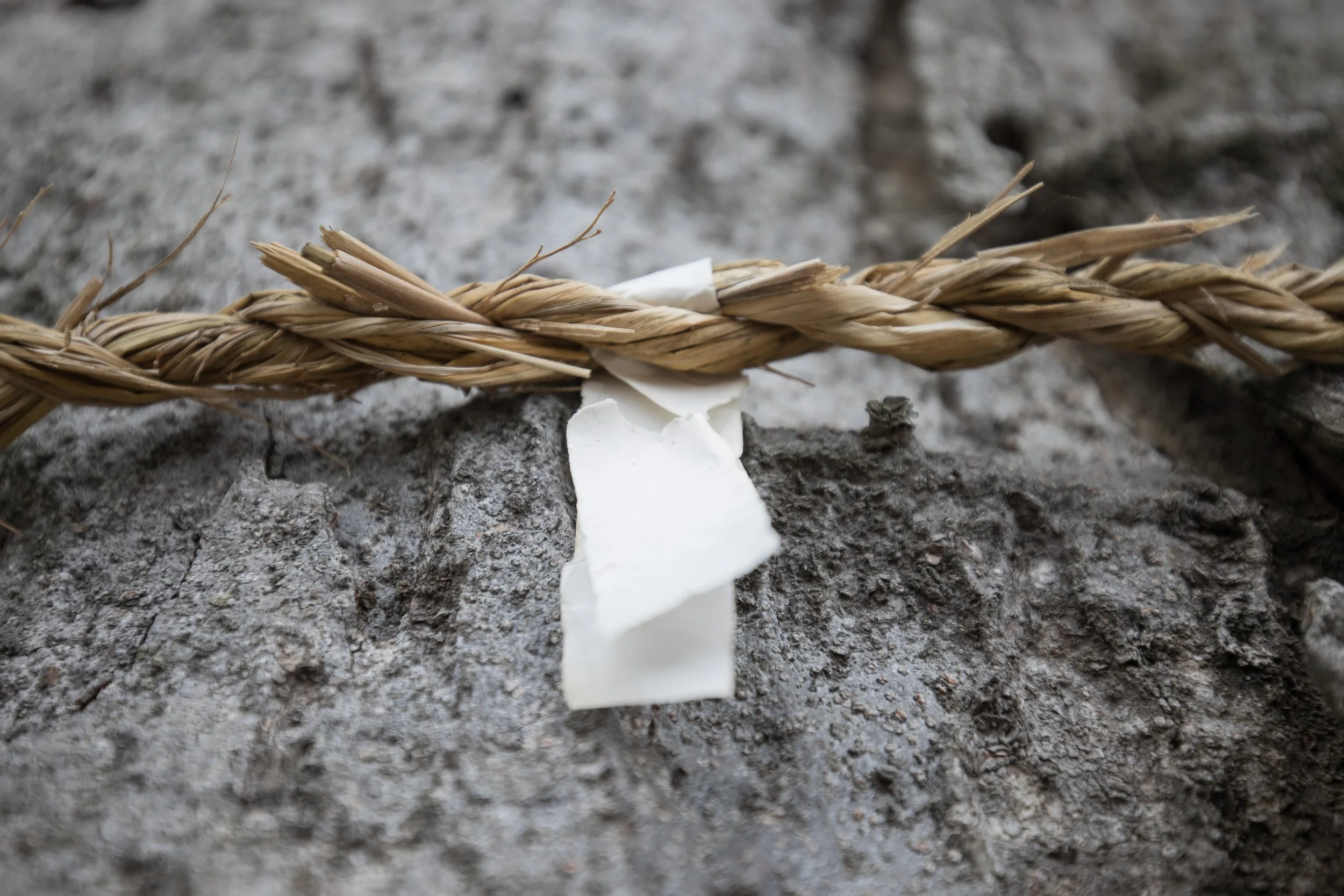
A long time ago when tigers smoked, it was common to protect the boundary of a village in order to prevent malignant spirits from entering. Without ritual veneration of tutelary god(s) which resided in sacred trees or cairns placed at the village entrance — hardship, disease, crop failure, a poor catch (in coastal communities) or death could befall the inhabitants. In addition to fulfilling a spiritual function, the village ‘shrine’ provided a social and communal space for raising collective concerns or sharing neighbourhood gossip combining prosaic matters with the supernatural underpinned by a reverence for coexistence with nature. These guardian trees were adorned with geumjul (금줄), a left-tied straw rope threaded with rectangular strips of hanji (한지), white mulberry paper which represents purity and occasionally other symbolic articles such as pine needles to expel the malicious spirits. The rope served to delineate the boundary between secular and sacred spaces.

As a cultural practice rooted in shamanic origin tied to an agrarian society, the inevitable decline in practice has been driven by rapid industrialisation, the rise of organised religion and rural flight. As the elderly population who retain living memory of the social, spiritual and cultural functions of these beliefs pass away, who will tie the golden rope around the deities’ altar, recite the necessary incantations to placate the gods or make periodic ritual offerings to ensure the safety and prosperity of the village?
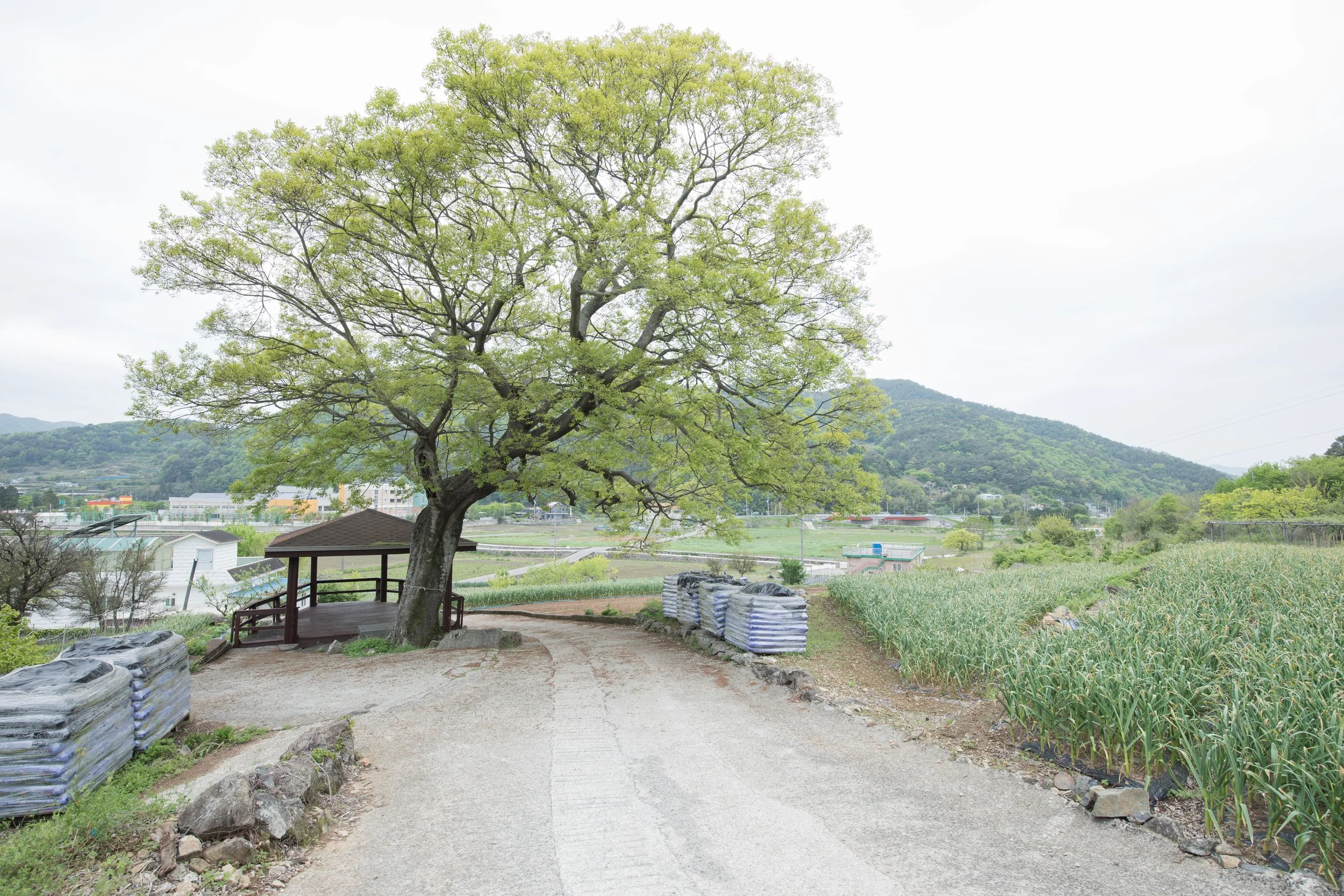
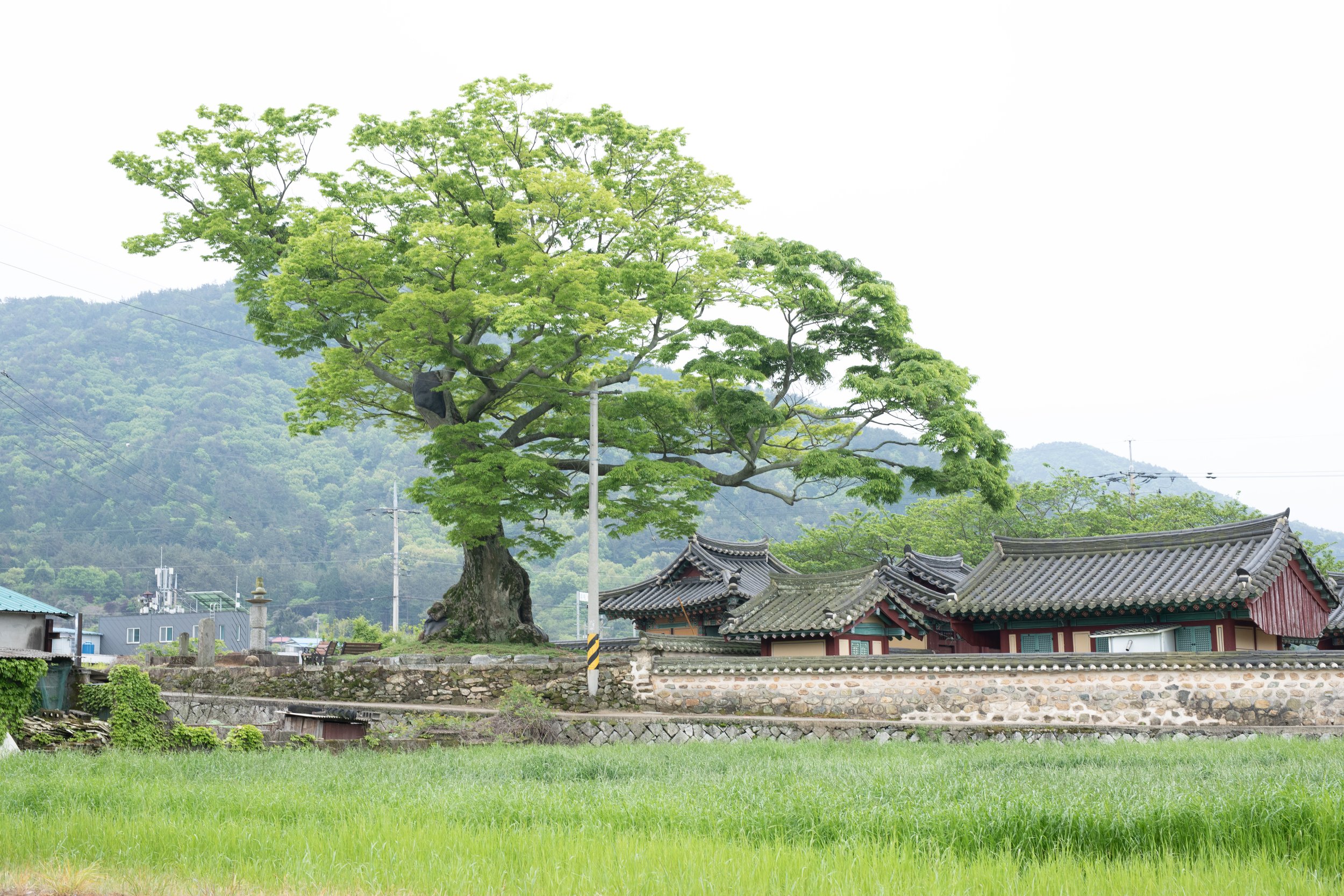
A sacred village tree in Namhae, South Korea  next to a field in a village.

Dongcheon-ri (north-west), 2024.

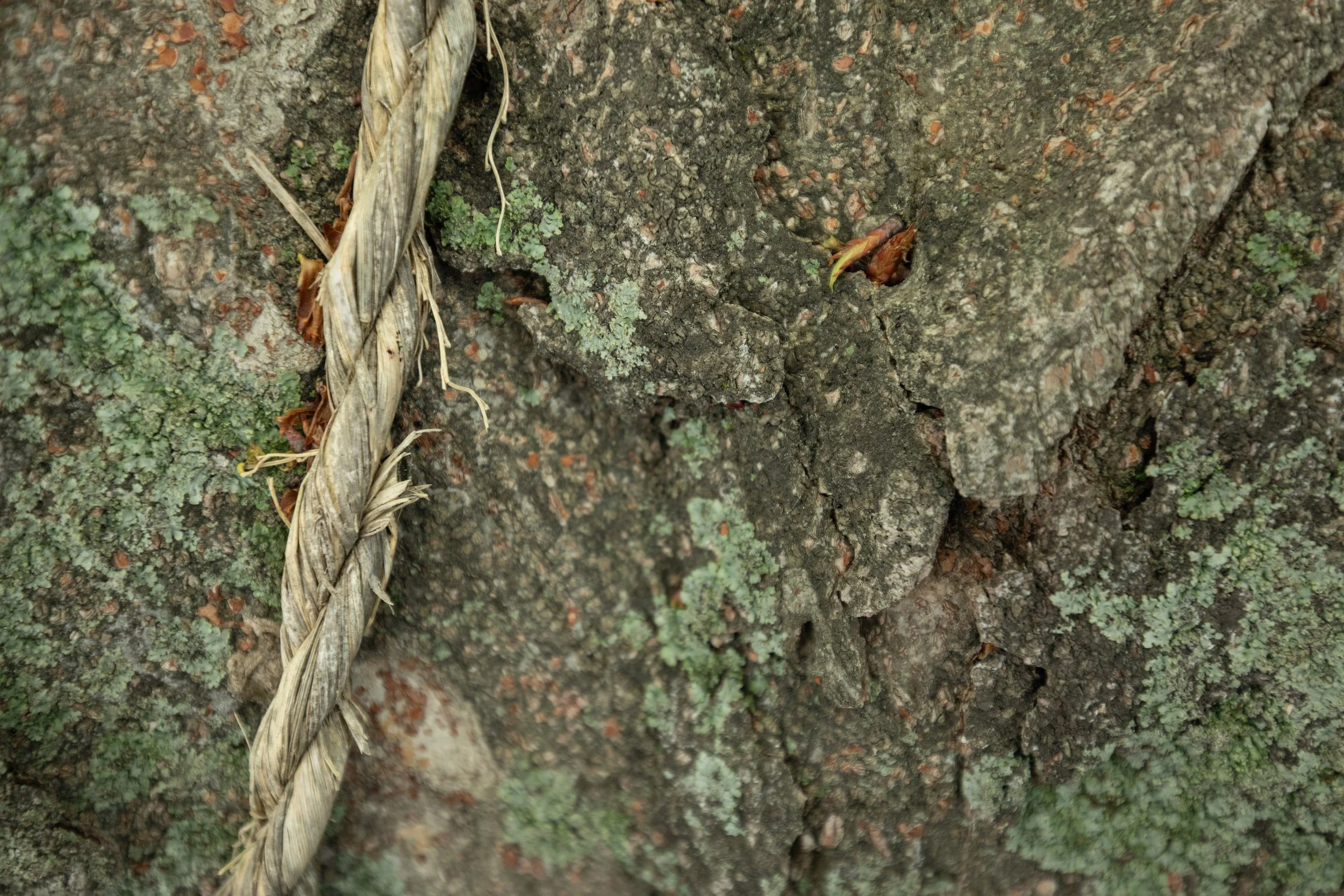
detail of a sacred tree with geumjul (golden rope) and mulberry paper (hanji).

Dongcheon-ri (north-west) #2, 2024.

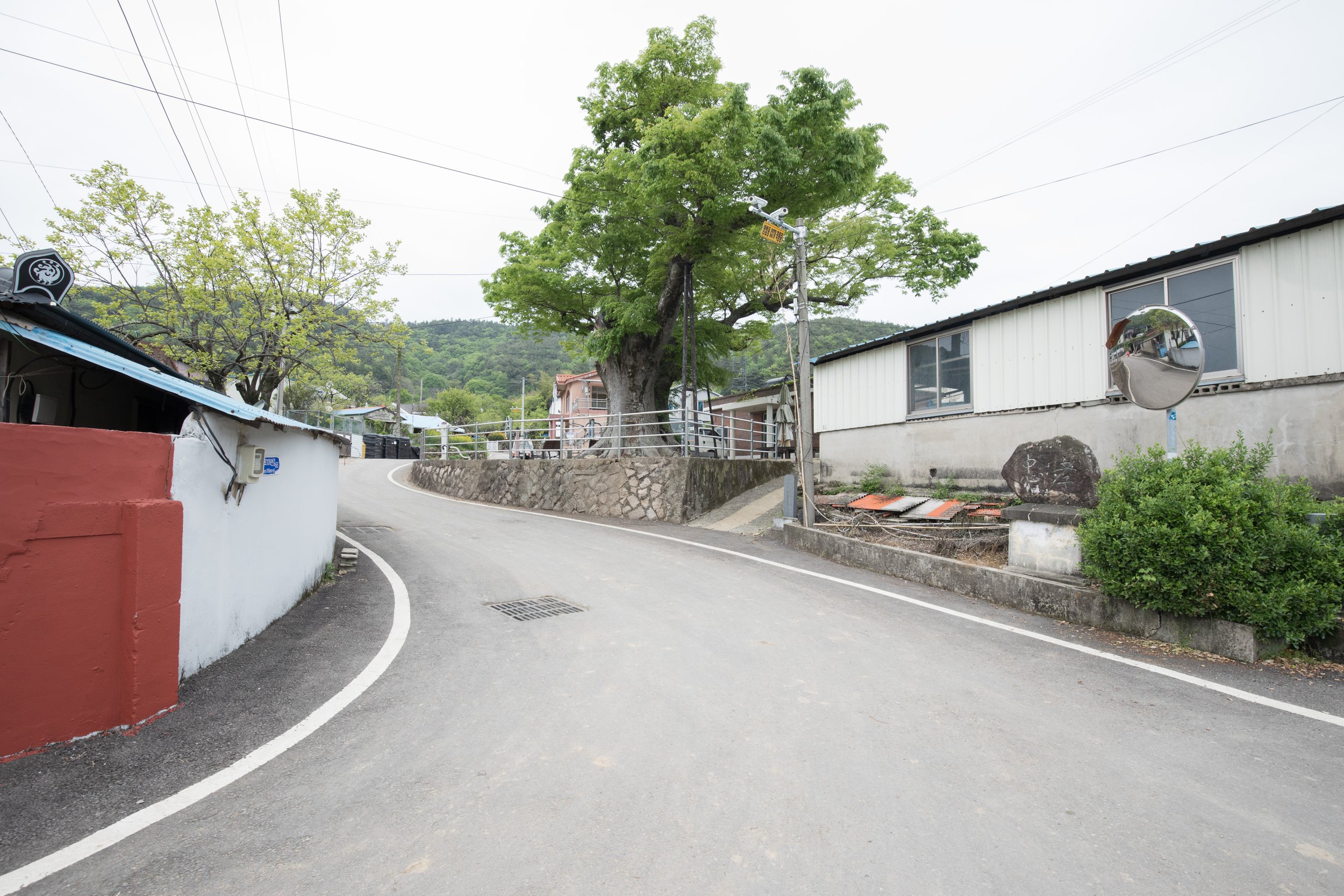
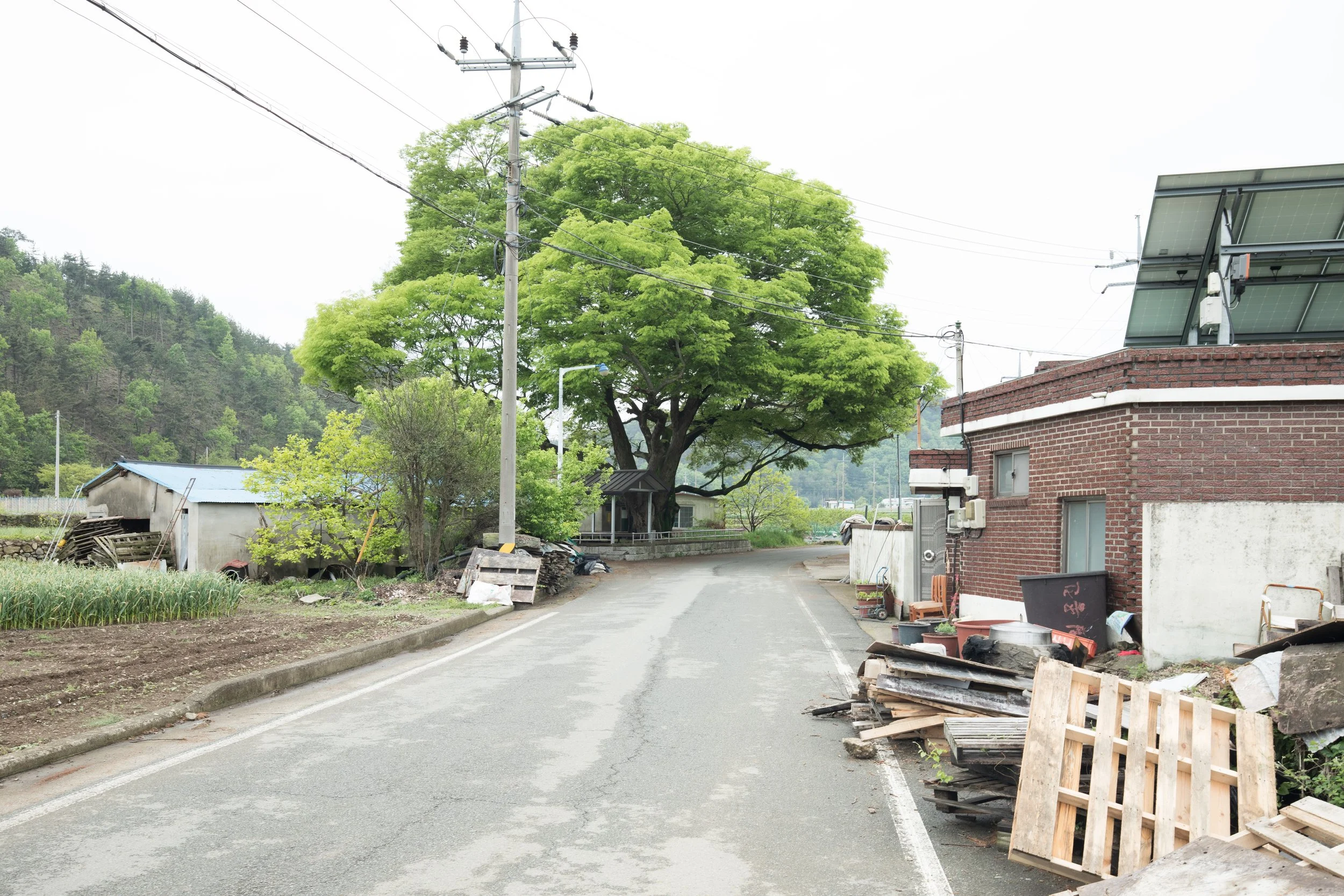
A sacred village tree in South Korea on a rural road in Namhae island.

Dongcheon-ri (south-east), 2024.

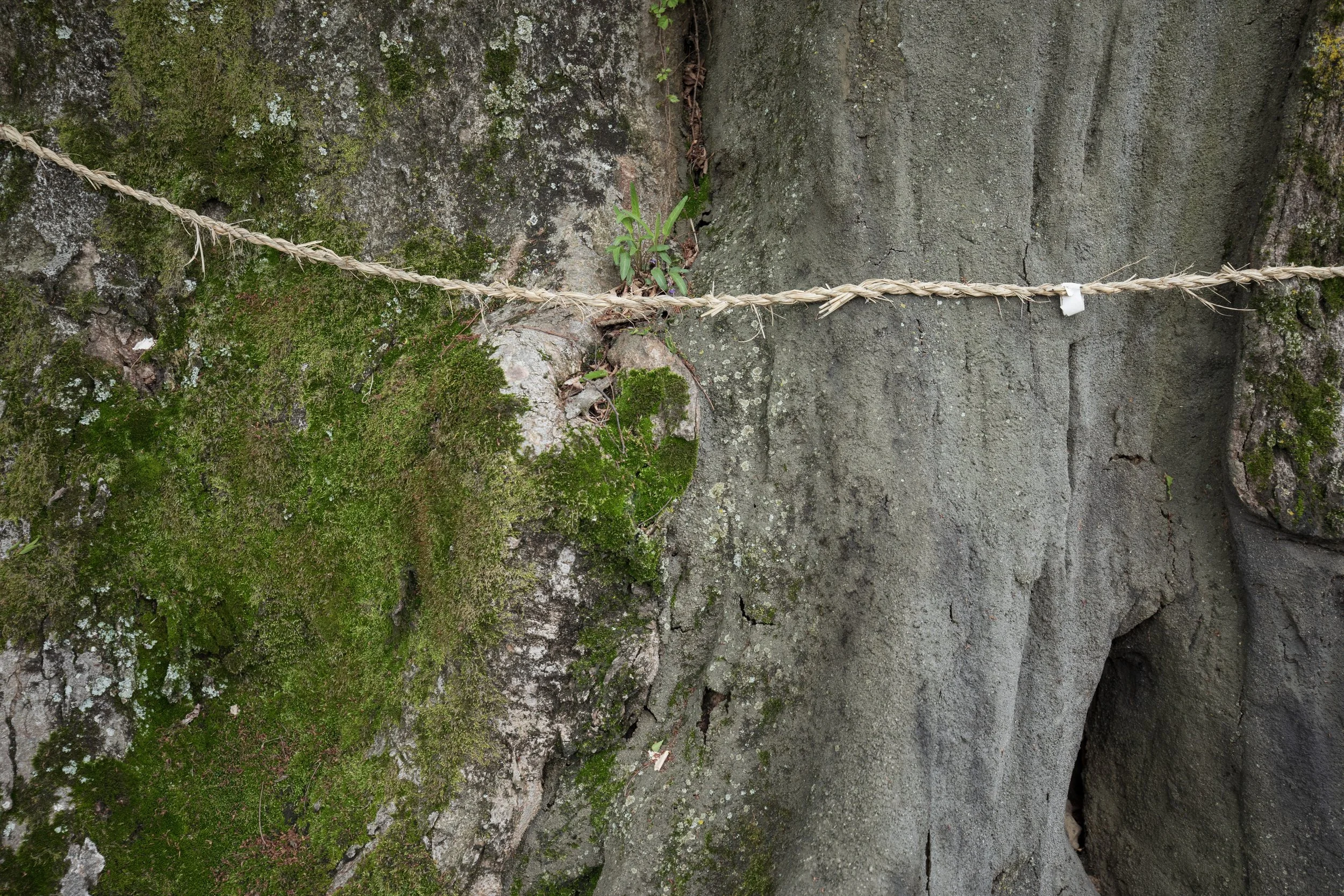
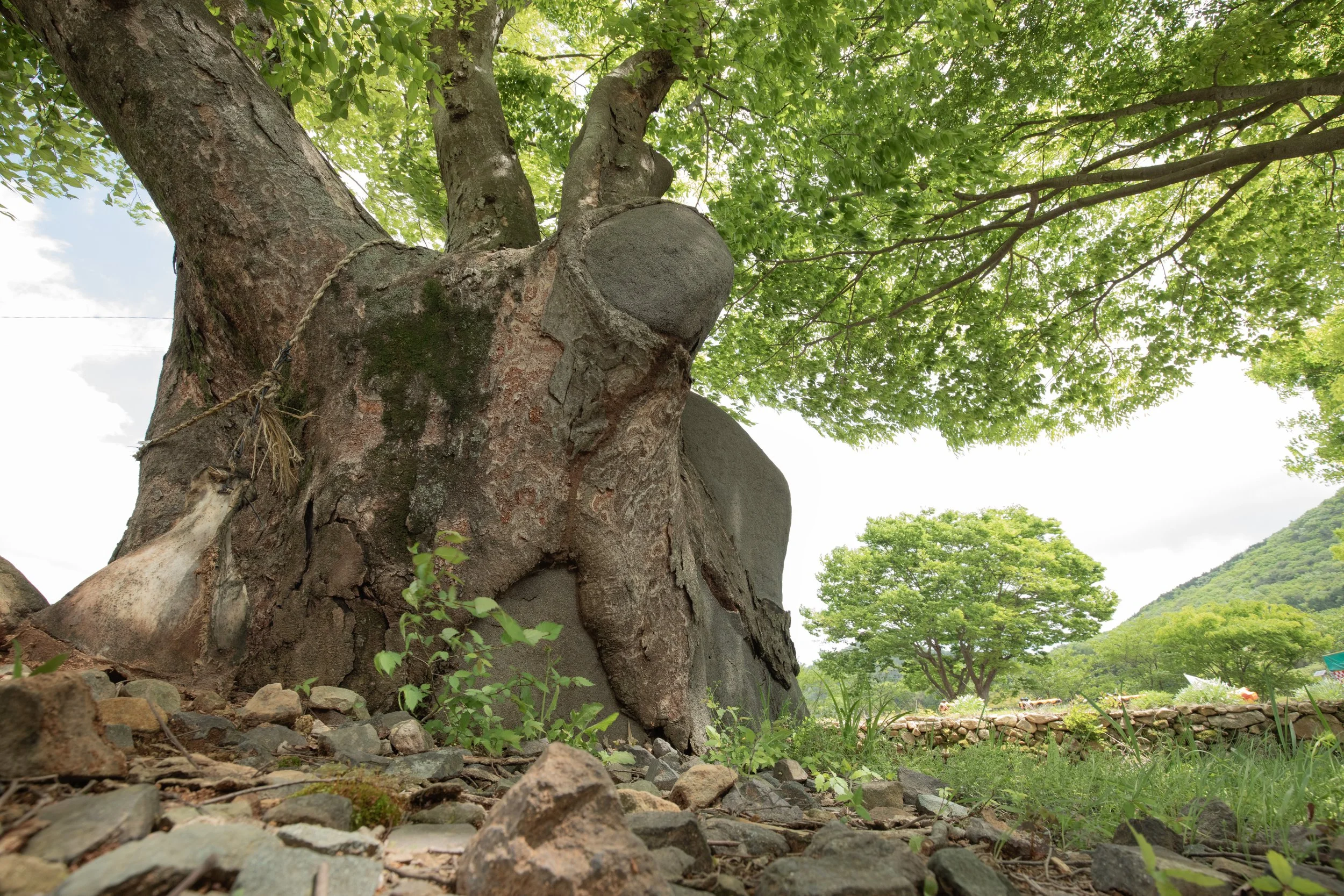
Closeup of a sacred village tree (Dangsan Namu) tied with golden rope (geumjul). The tree is covered in moss and one side filled with expanding polyurethane foam.

Dongcheon-ri (south-east) #2, 2024.

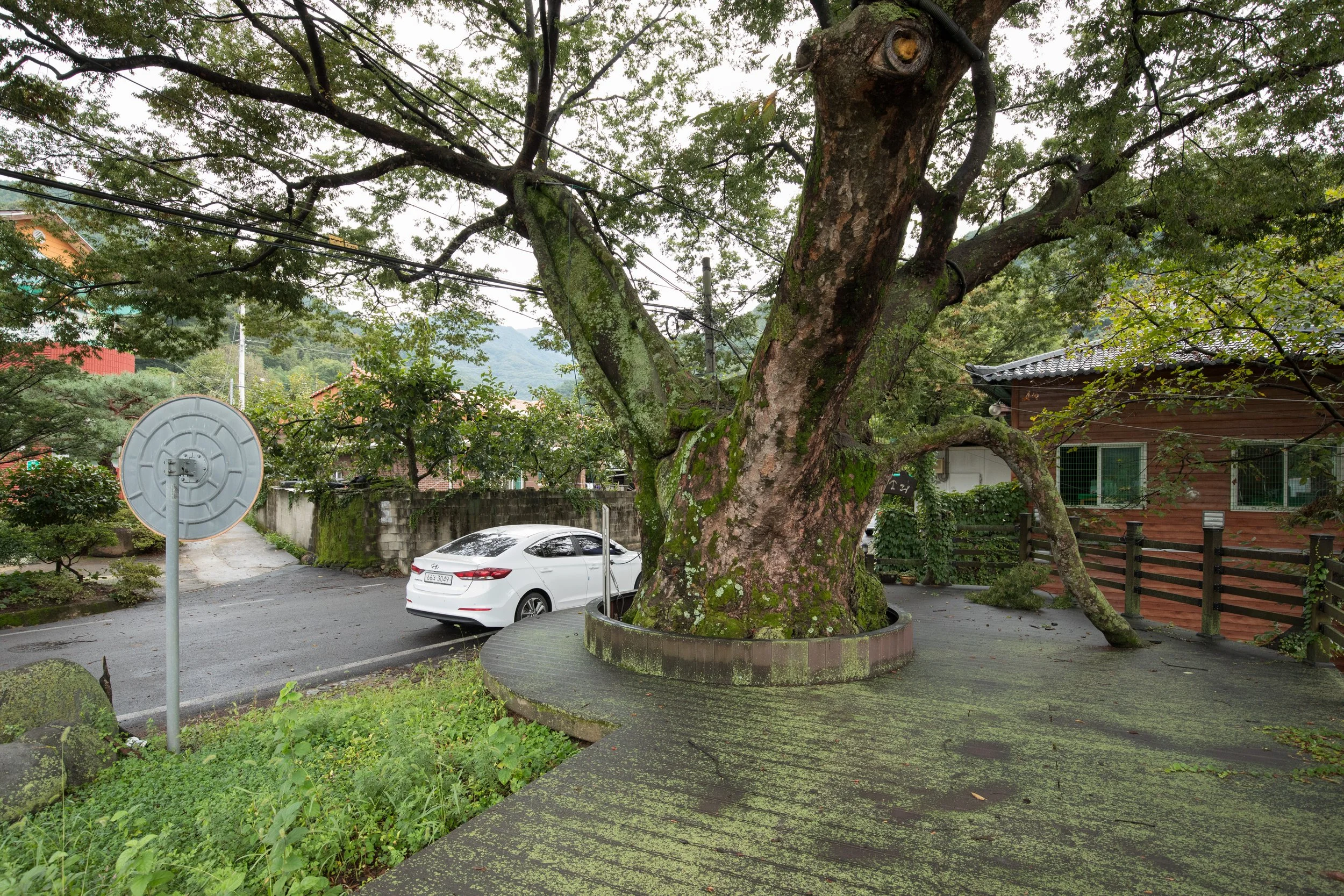
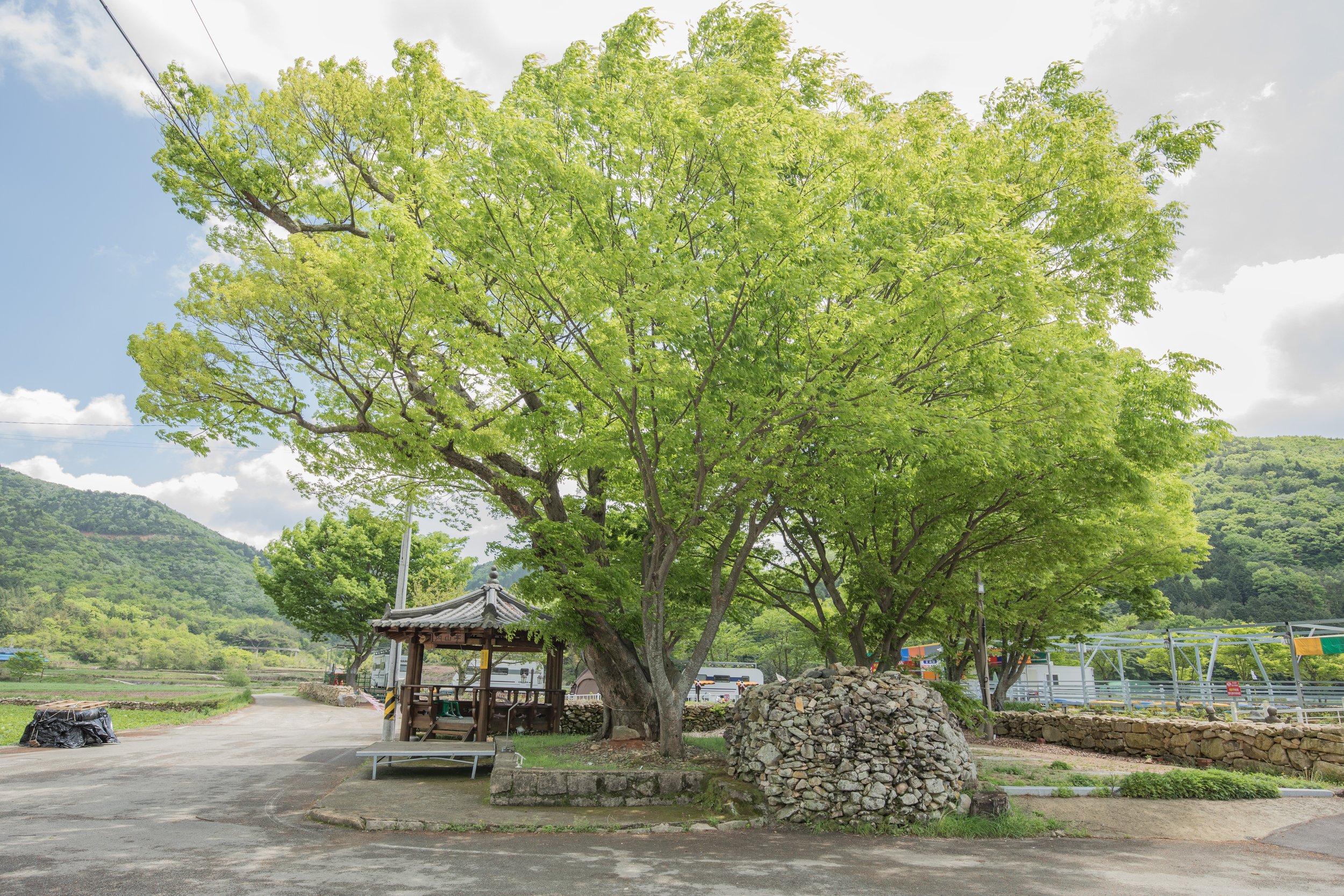
A sacred village tree (dangsan namu) covered in moss at the entrance to Uitan-ri village, South Korea.

Uitan-ri, 2025.

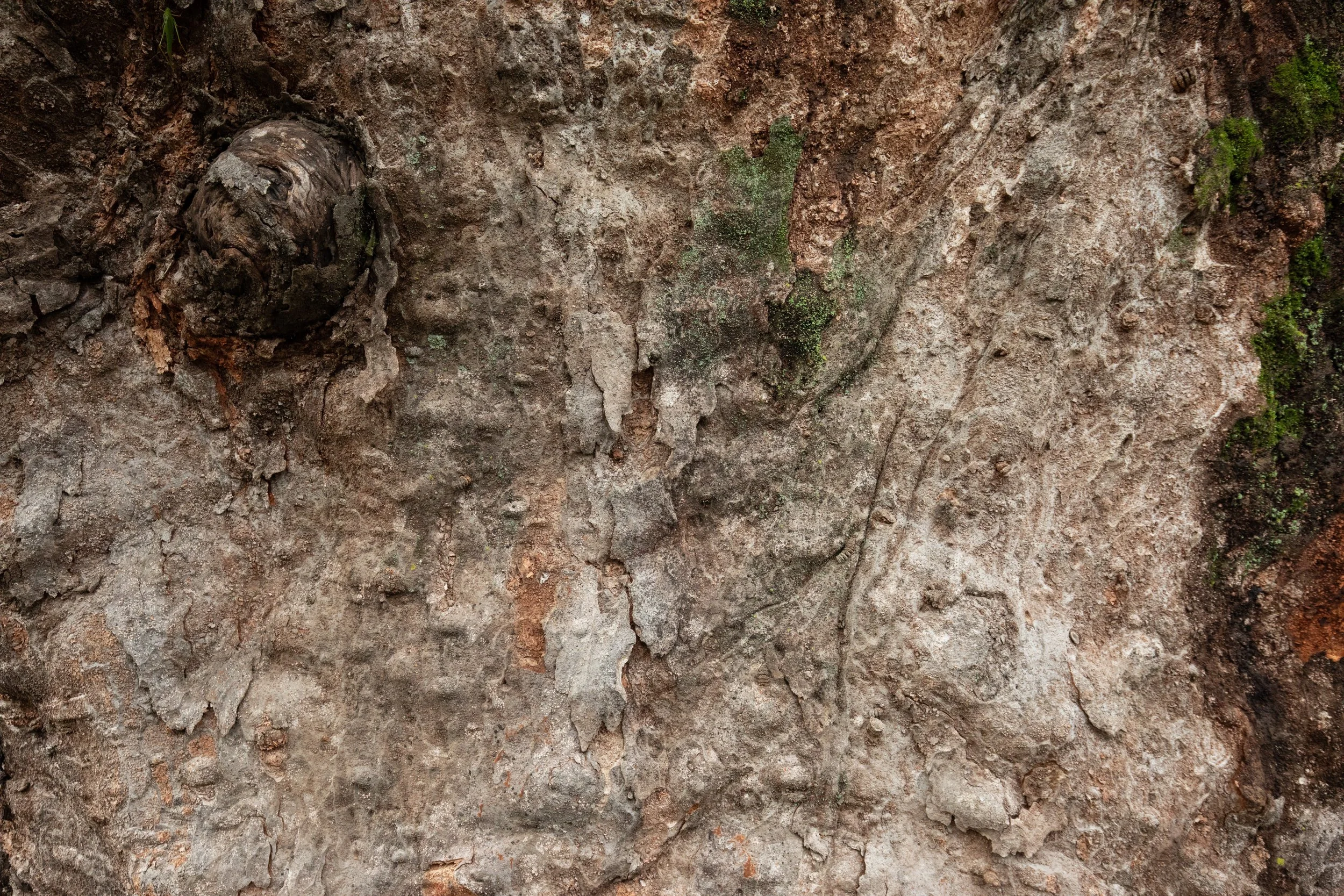
Closeup of bark and texture of a sacred village tree (dangsan namu) covered in moss at the entrance to Uitan-ri village, South Korea.

Uitan-ri #2, 2025.

A sacred village tree (dangsan namu) with stone cairn in a rural village surrounded by mountains in South Korea.

Naesam Maeul, 2024.

A cow bone is tied to a sacred village tree in South Korea to wish for protection and prosperity in a village in Namhae island.

Naesam Maeul #2, 2024.

A golden rope known as geumjul (금줄) is tied to a sacred tree to designate a spiritual presence in a village in Namhae island, South Korea.

Naesam Maeul #3, 2024.

A scared village tree stands behind a farm and next to traditional tiled Korean shrines in Naneum-ri 난음리, South Korea.

Naneum-ri (난음리), 2024.

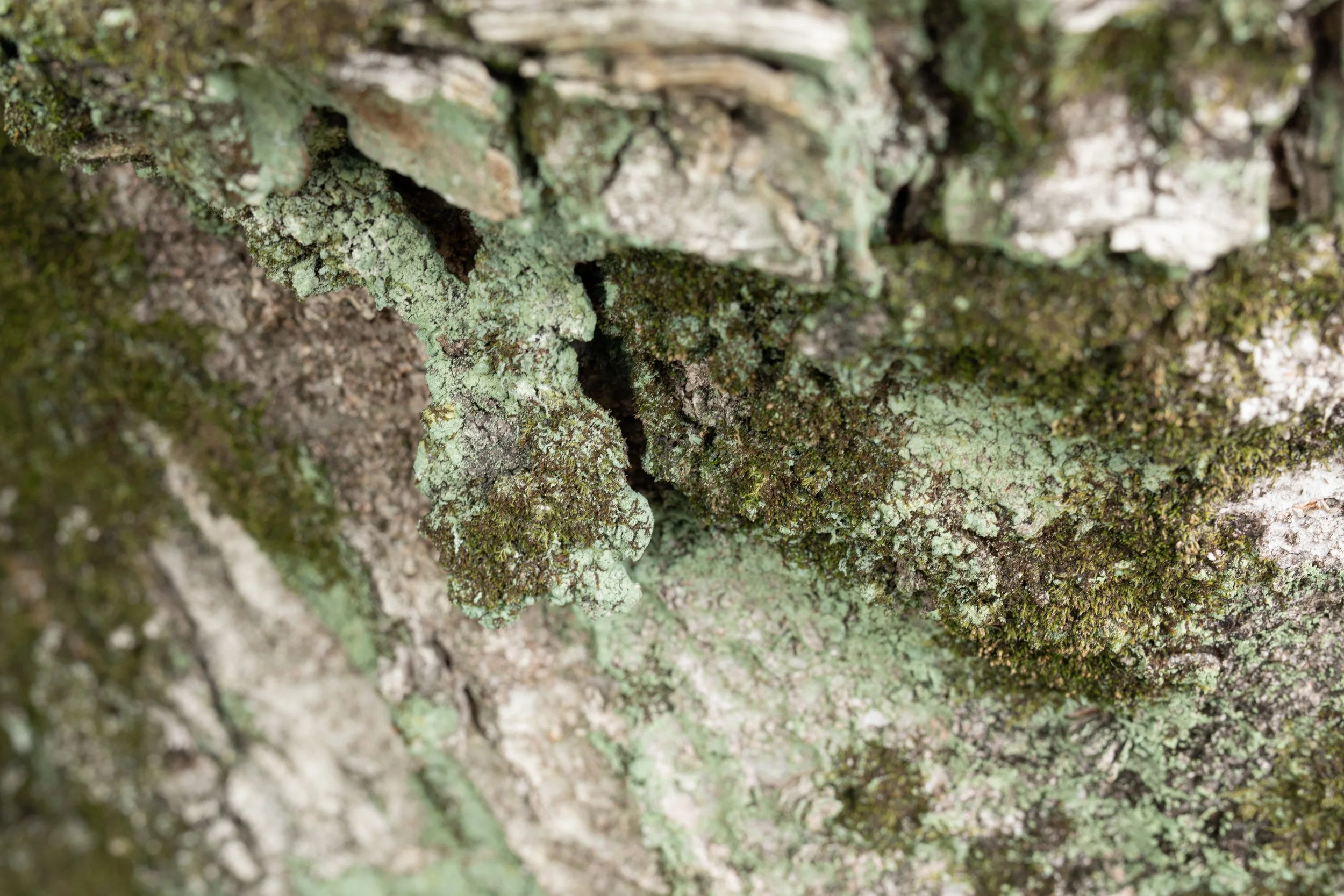
Detail of bark and moss growing on a sacred village tree in Naneum-ri 난음리, South Korea.

Naneum-ri (난음리) #2, 2024.

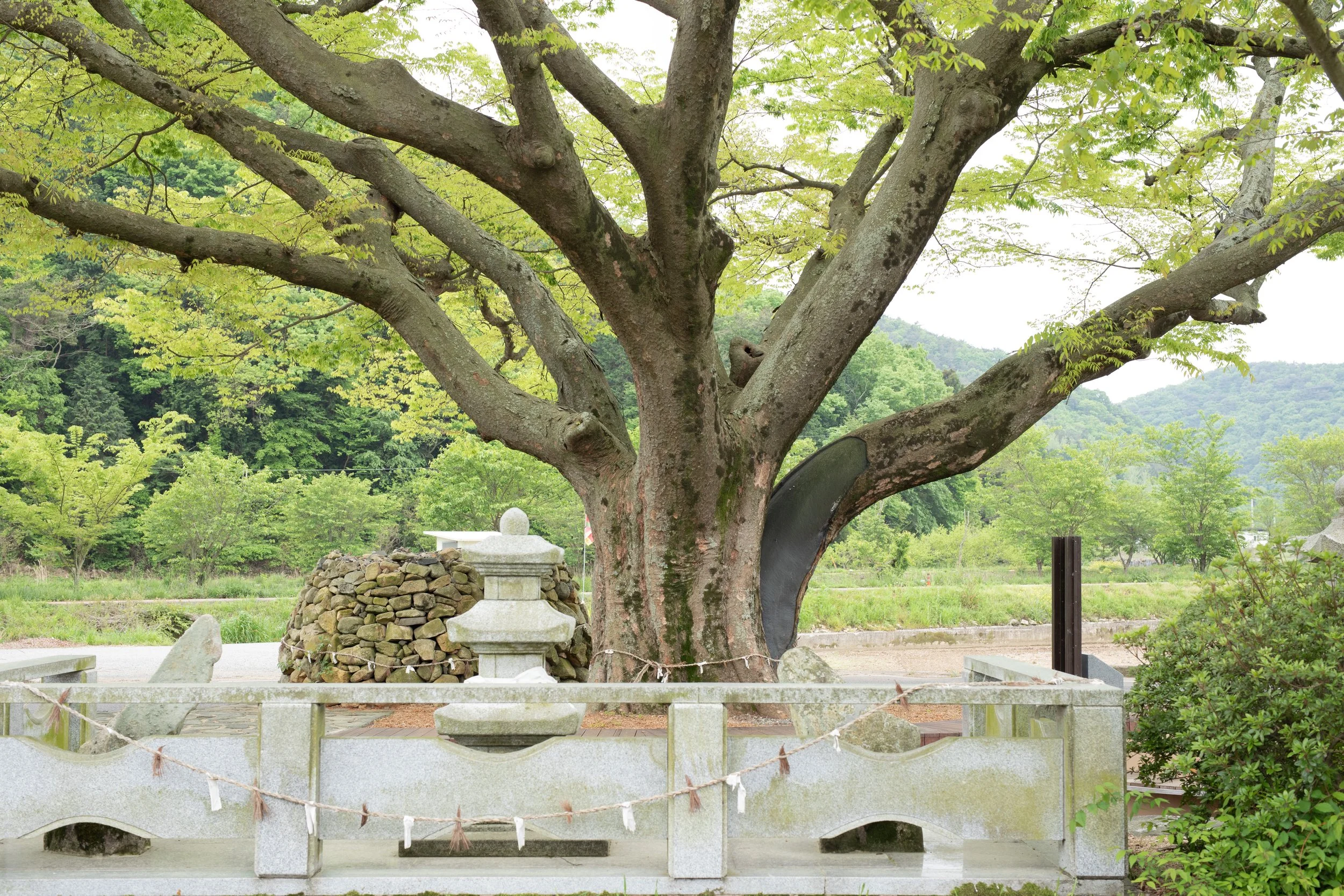
A village guardian tree (당산나무), sacred stone cairns known as seonangdang (서낭당) and a stone altar protected by a golden rope known as Geumjul (금줄) stand at the entrance to Bonghwa-ri, South Korea.

Bonghwa-ri, 2024.

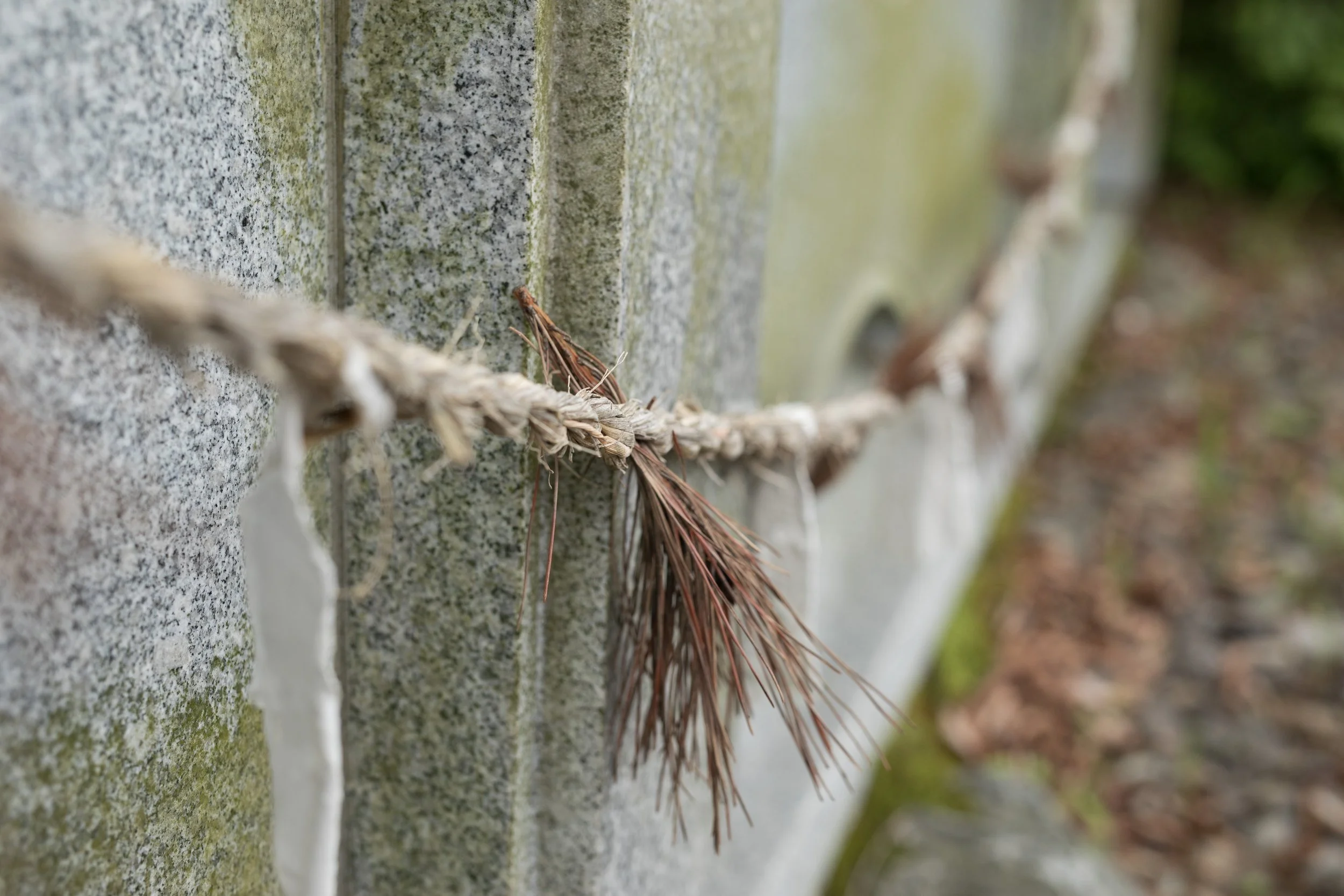
A golden left-tied rope known as Geumjul (금줄) threaded with white mulberry paper and pine needles for protection and prosperity is tied to an altar at the entrance to Bonghwa-ri, South Korea.

Bonghwa-ri #2, 2024.

A sacred tree protected by a golden rope and bamboo signifying a spiritual boundary. A stone altar sits in front and a pastoral landscape is behind in Simun Maeul, South Korea.

Simun maeul (시문마을) , 2024.

Closeup view of a golden rope, sacred tree trunk and bamboo in Simun Maeul (시문마을), South Korea.

Simun maeul (시문마을) #2 , 2024.

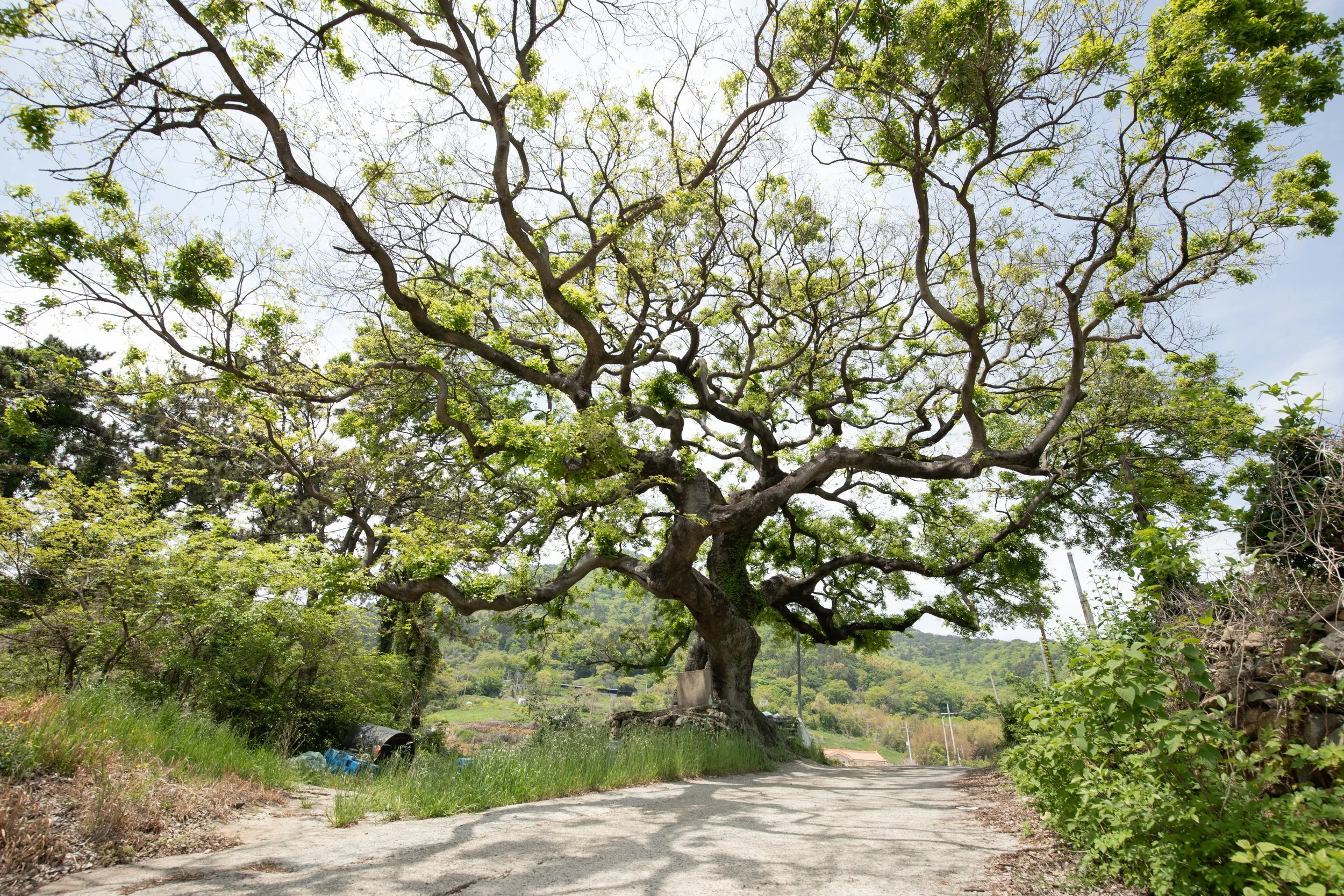
A village guardian tree (Dangsan Namu) on the side of a rural road in Yongso-ri (용소리), South Korea.

Yongso-ri (용소리), 2024.

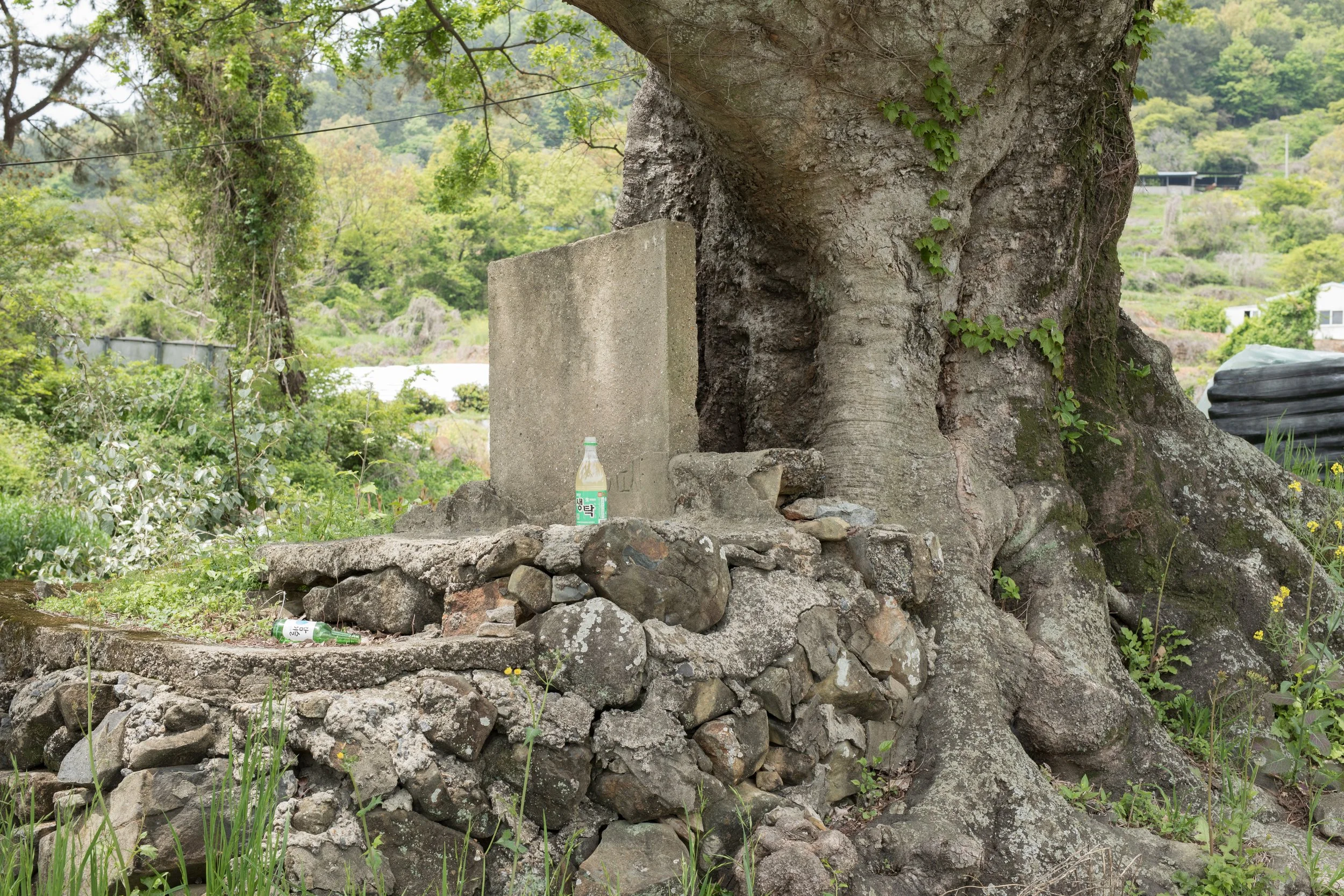
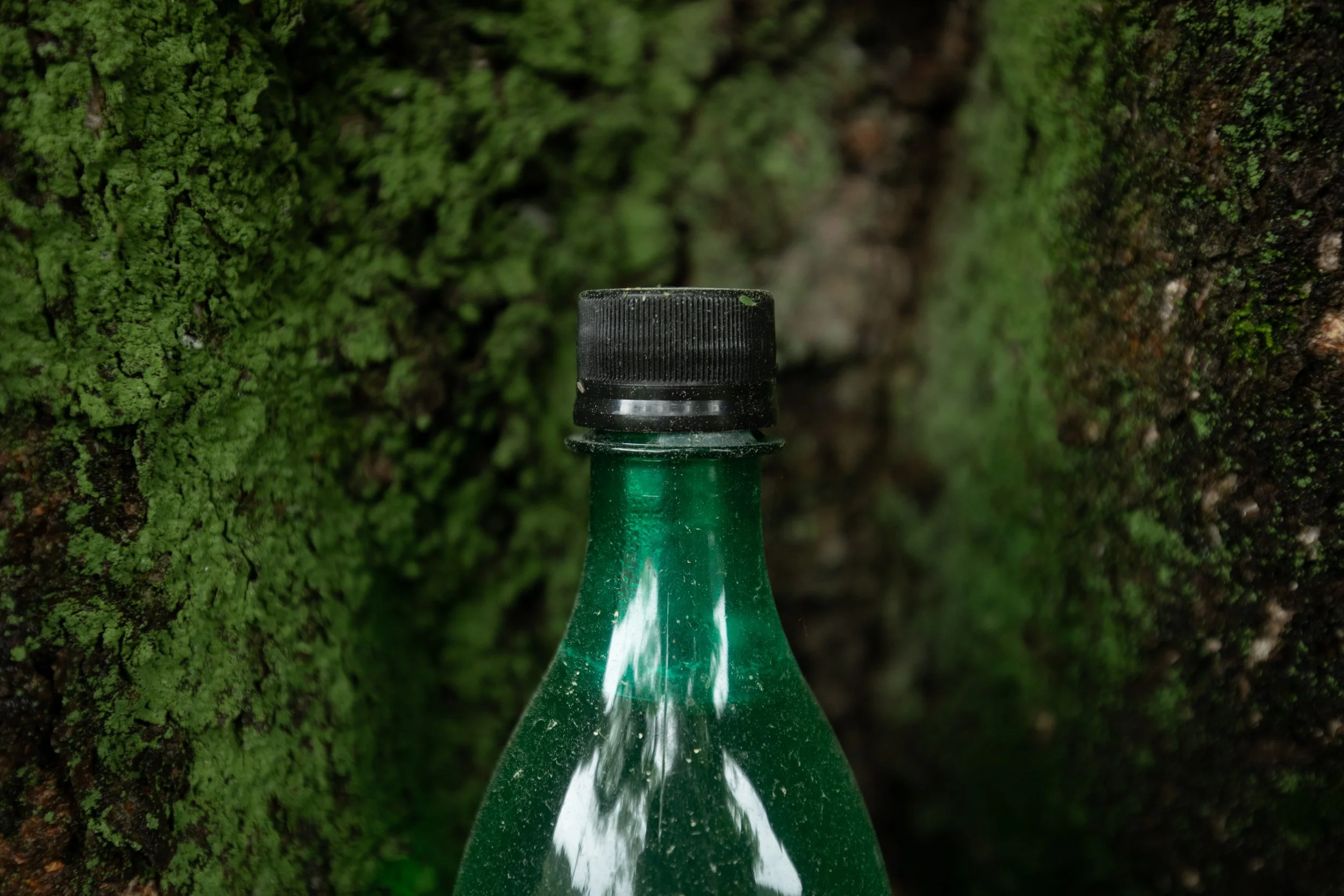
A closeup of a village guardian tree (Dangsan Namu) with a makeshift stone and concrete altar and bottles of soju left as offerings in Yongso-ri (용소리), South Korea.

Yongso-ri (용소리) #2, 2024.

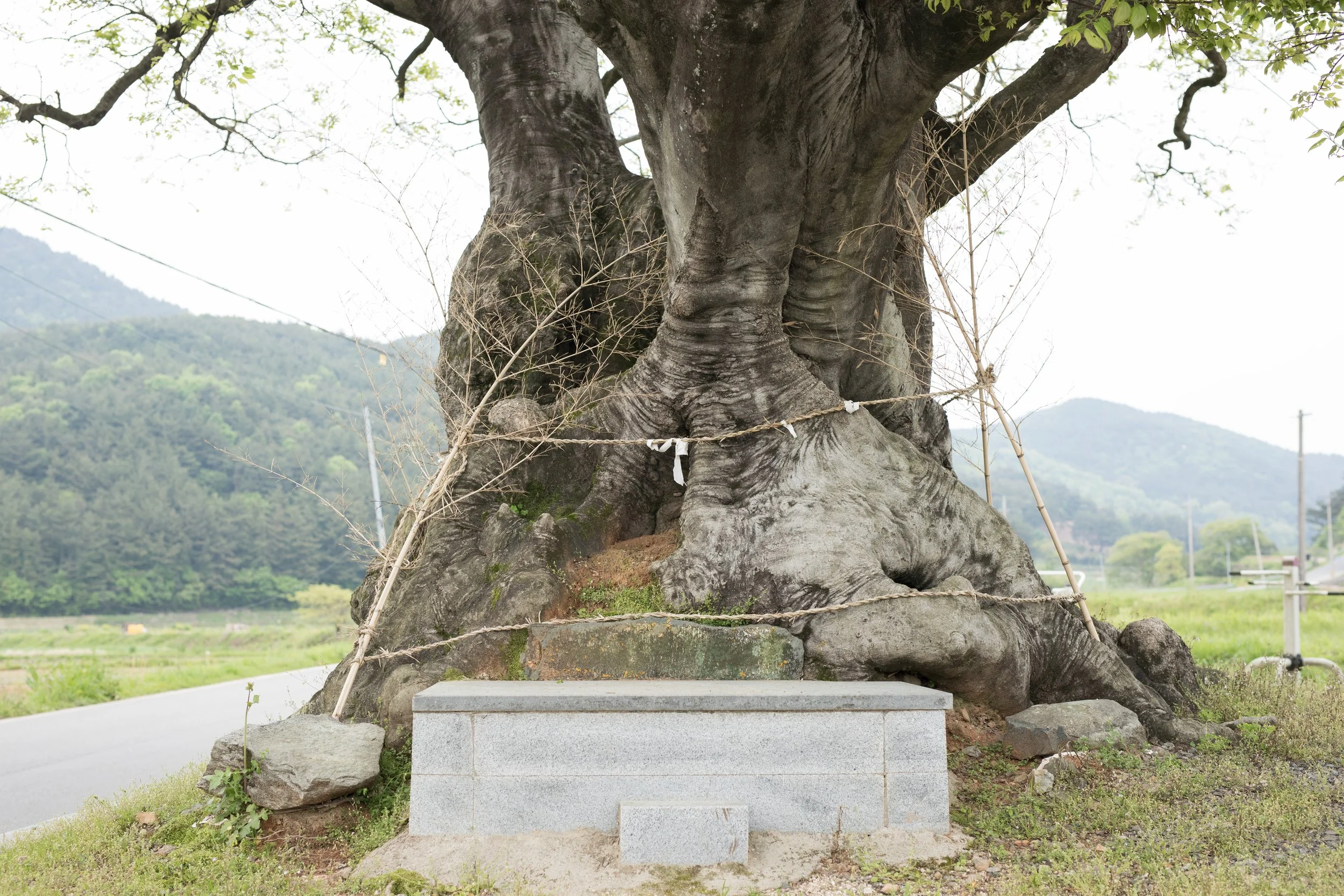
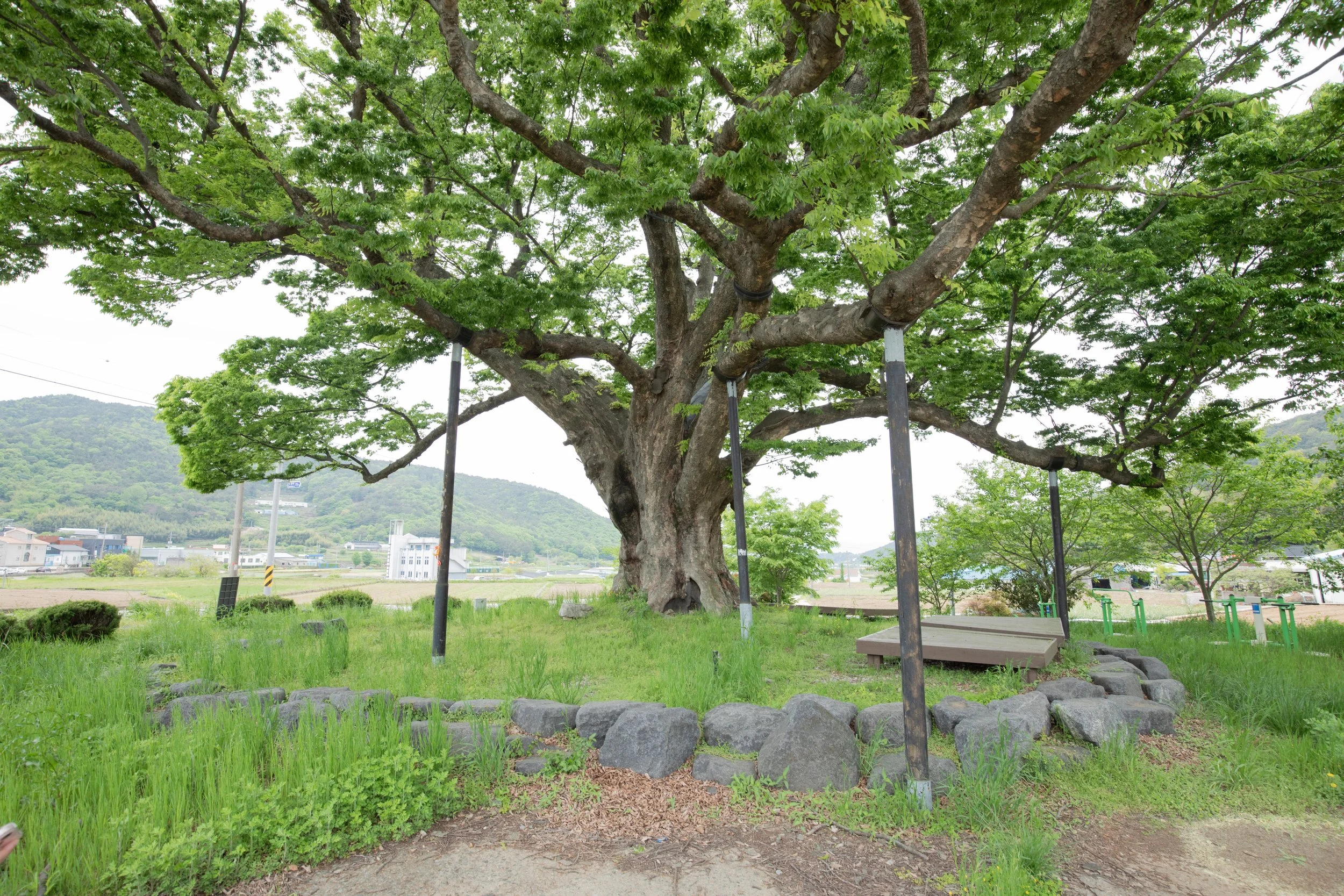
A village guardian tree (당산나무) is propped up by poles at the entrance to 당항리  (Danghang-ri) in South Korea.

Danghang-ri (당항리), 2024.

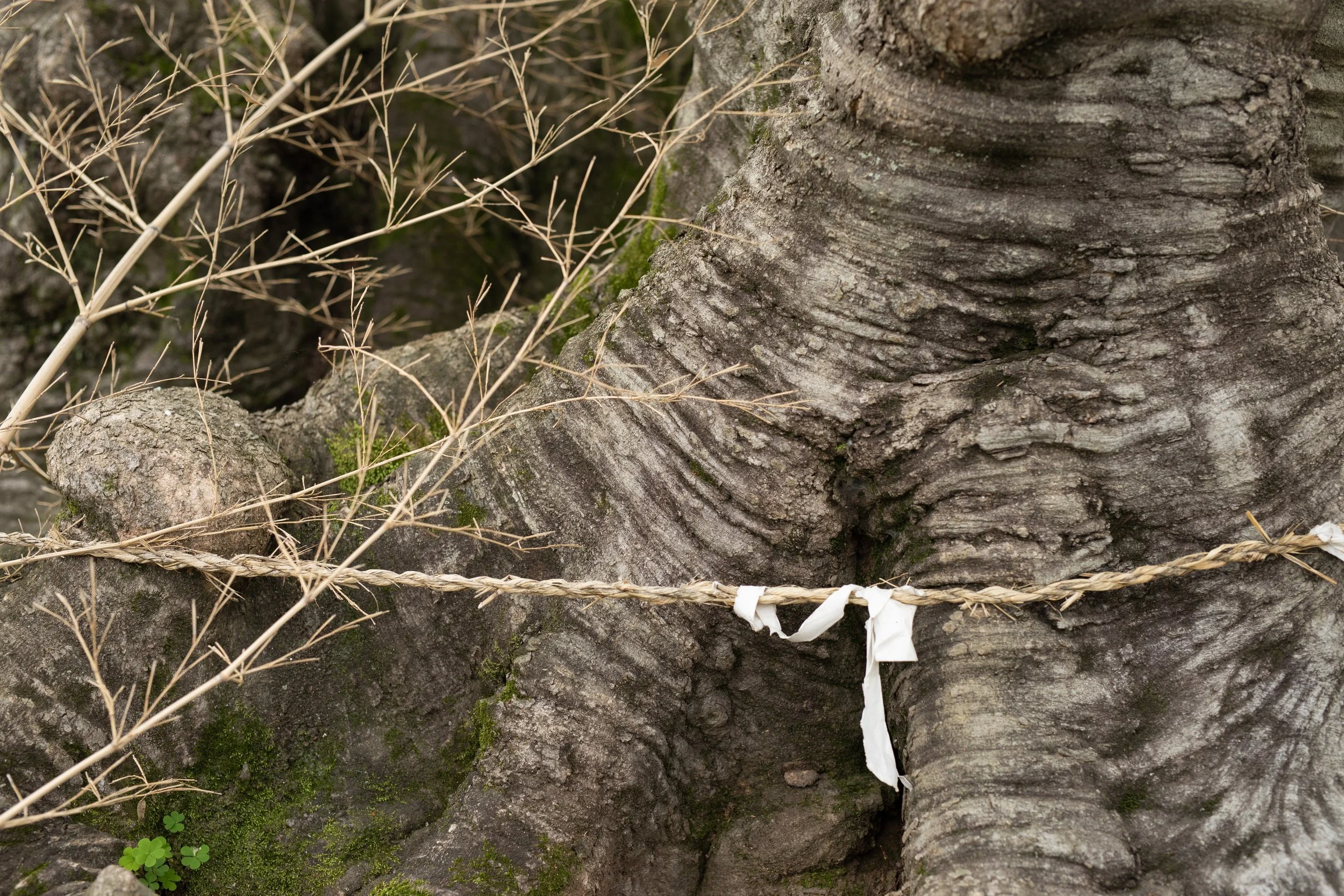
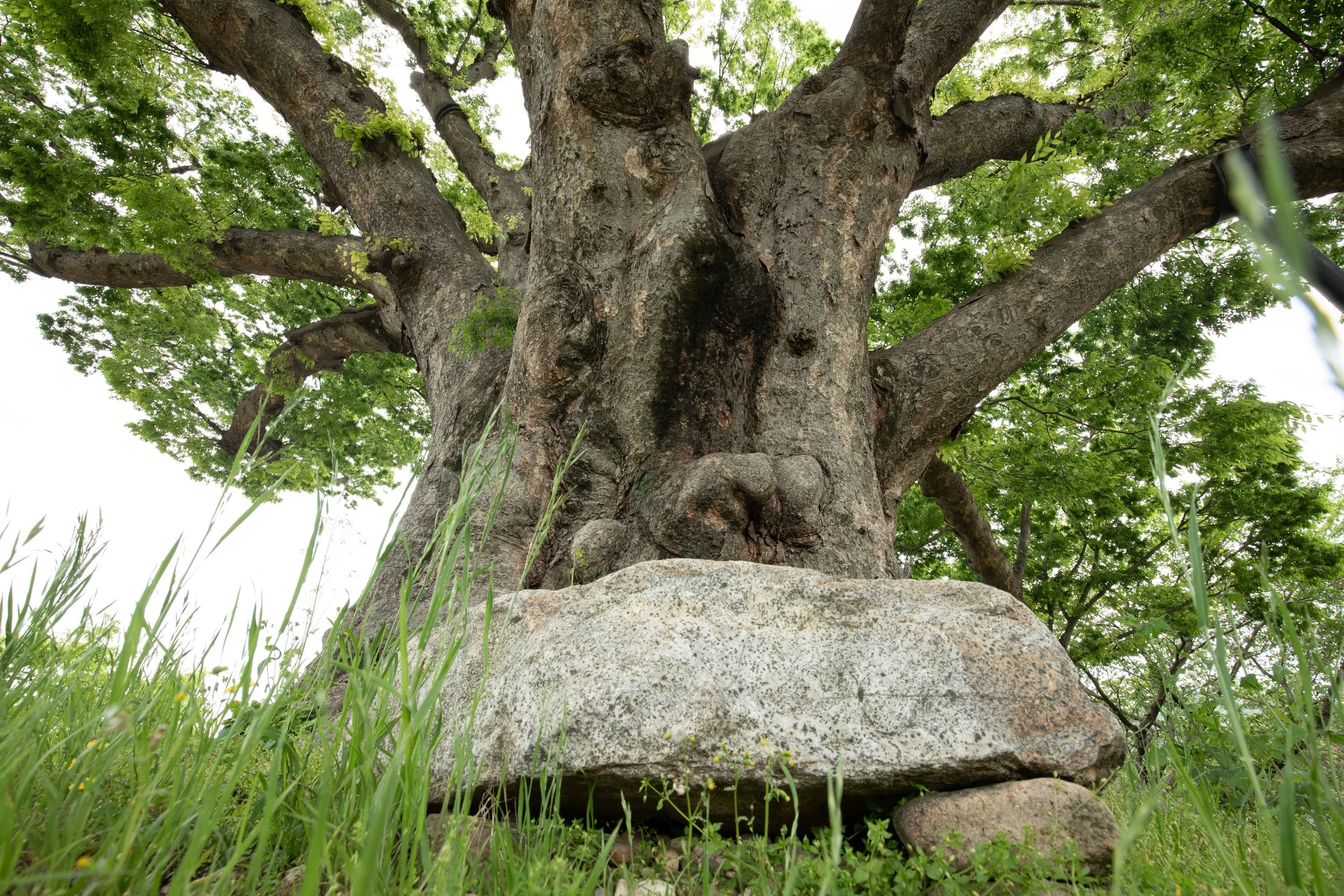
A closeup of a village guardian tree (당산나무) with a stone altar for rituals is propped up by poles at the entrance to 당항리  (Danghang-ri) in South Korea.

Danghang-ri (당항리) #2, 2024.

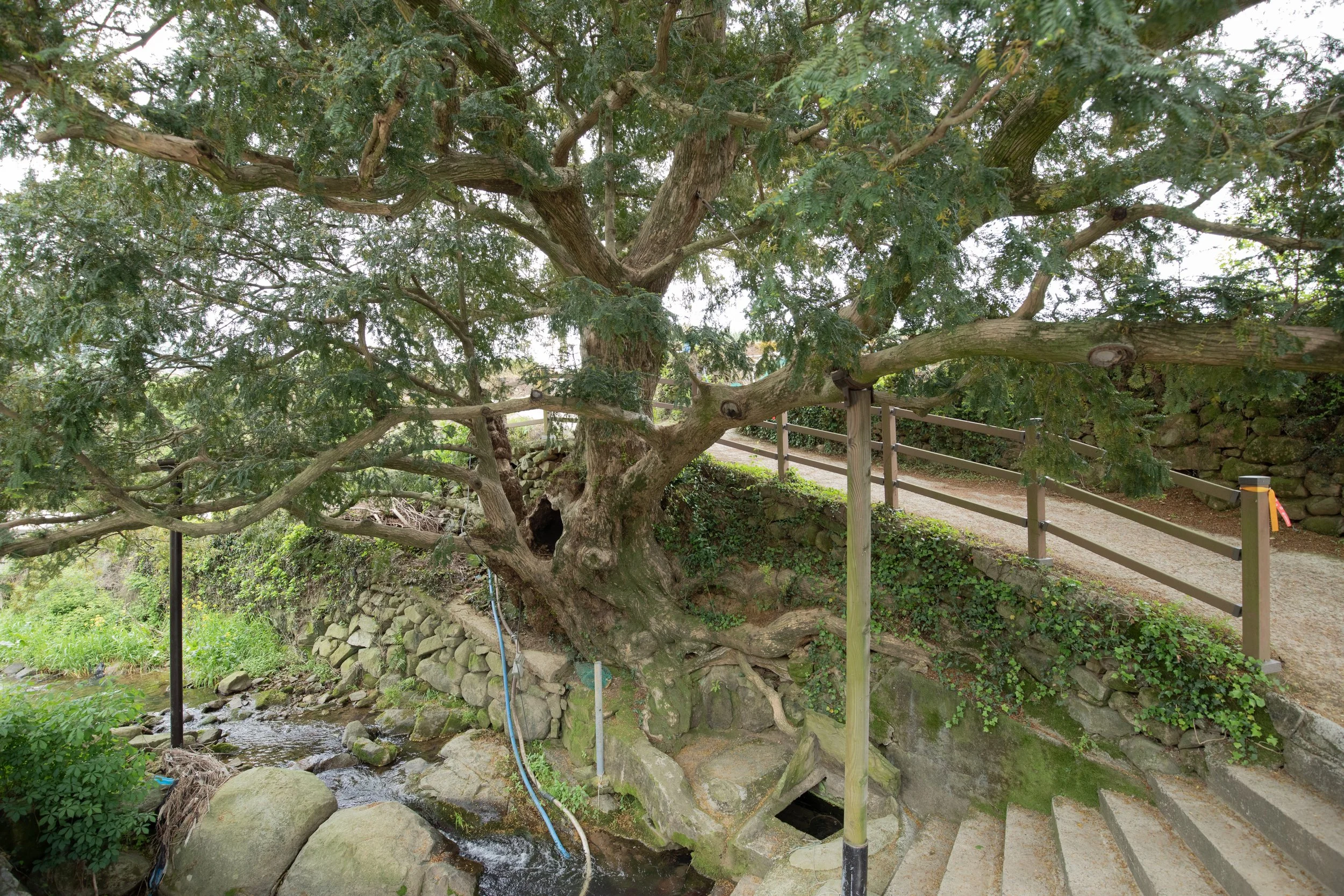
A village guardian tree (당산나무) next to a small stream and a farm in Jukjeon Village (죽전), South Korea.

Jukjeon Village 죽전, 2024.

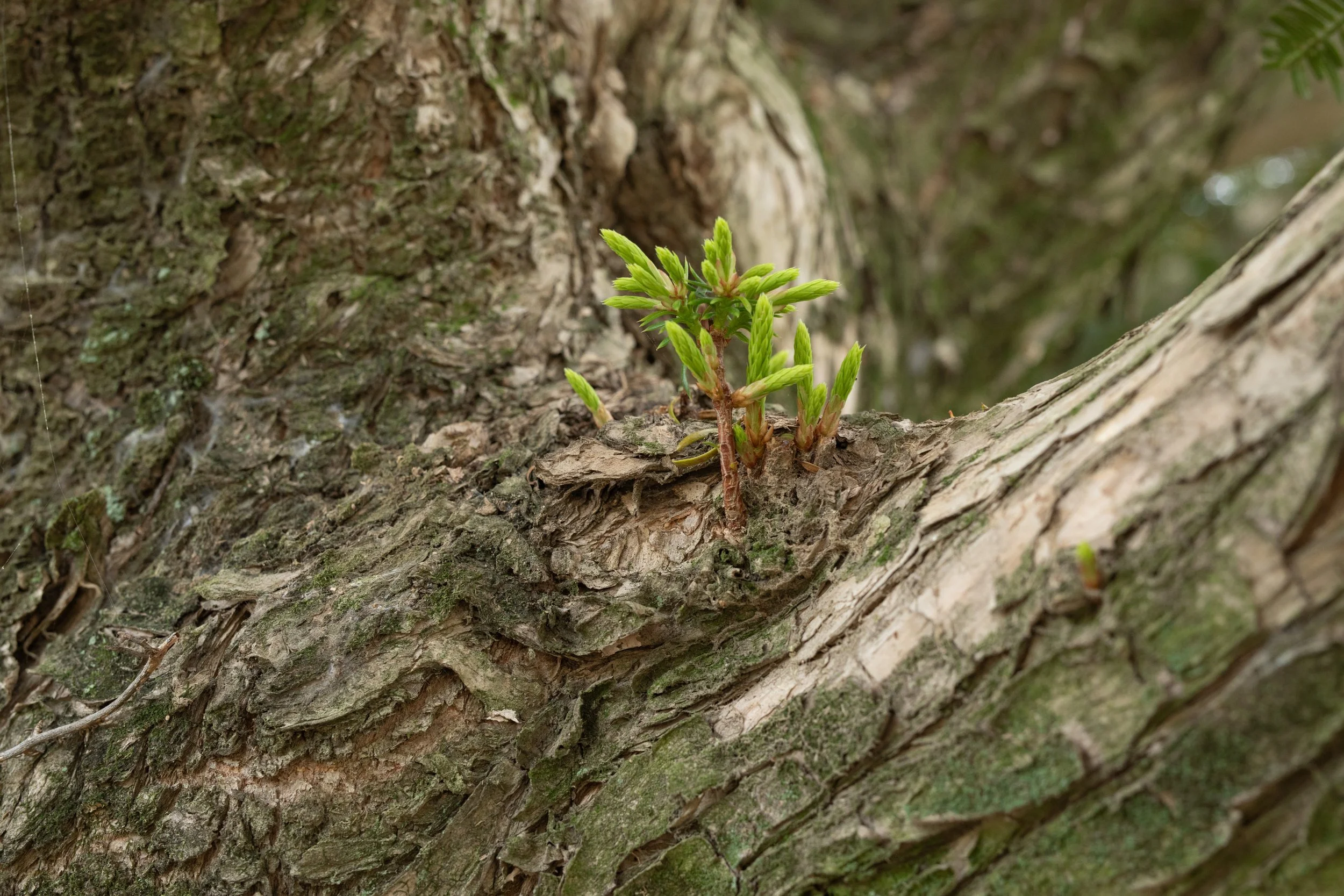
New growth sprouting on a 600 year old village guardian tree (Japanese torreya) in  Jukjeon Village (죽전), South Korea.

Jukjeon Village 죽전 #2, 2024.

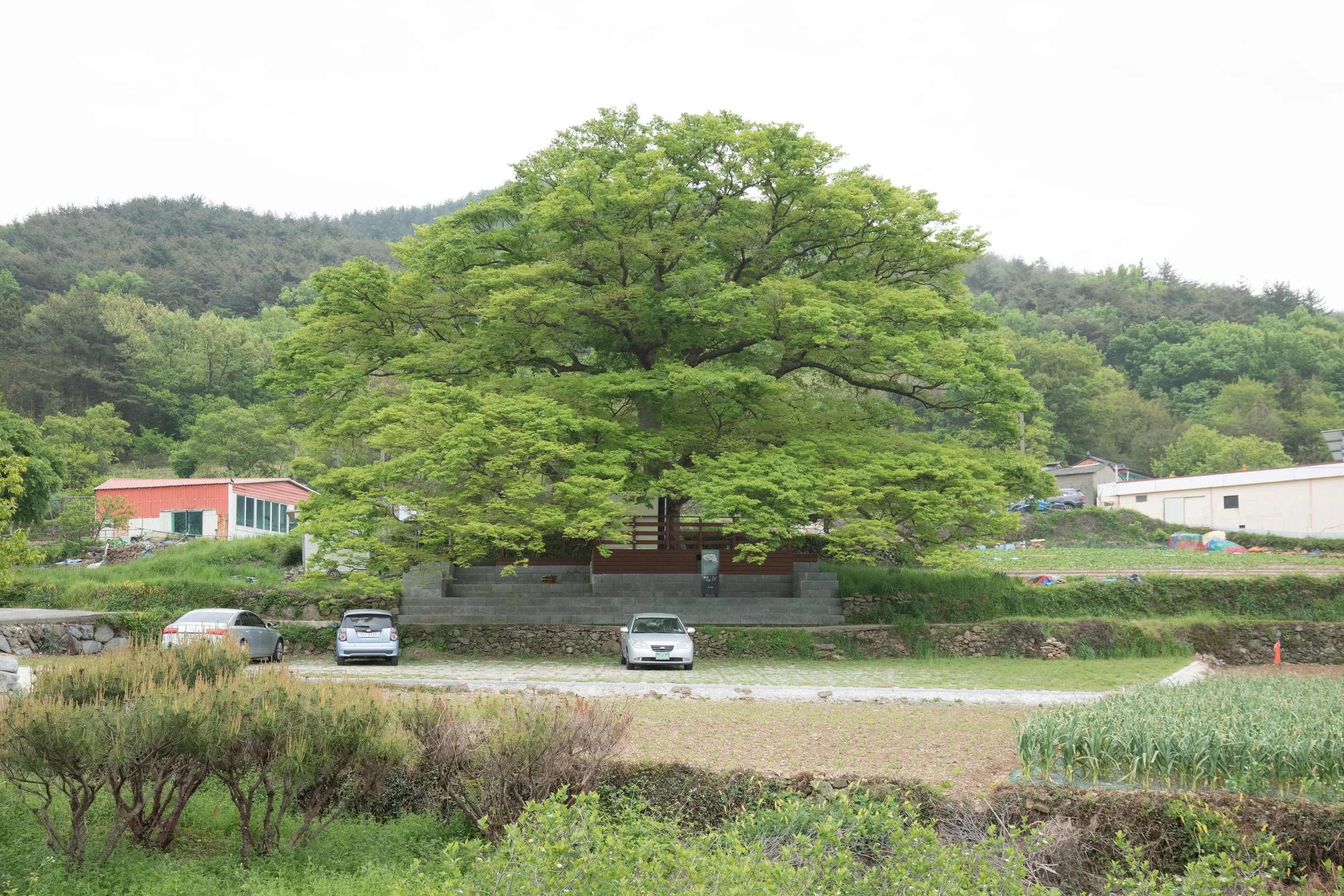
A sacred village tree behind a field of spring onions in the rural village of Bukgu Maeul 북구 마을, South Korea.

Bukgu Maeul 북구 마을, 2024.

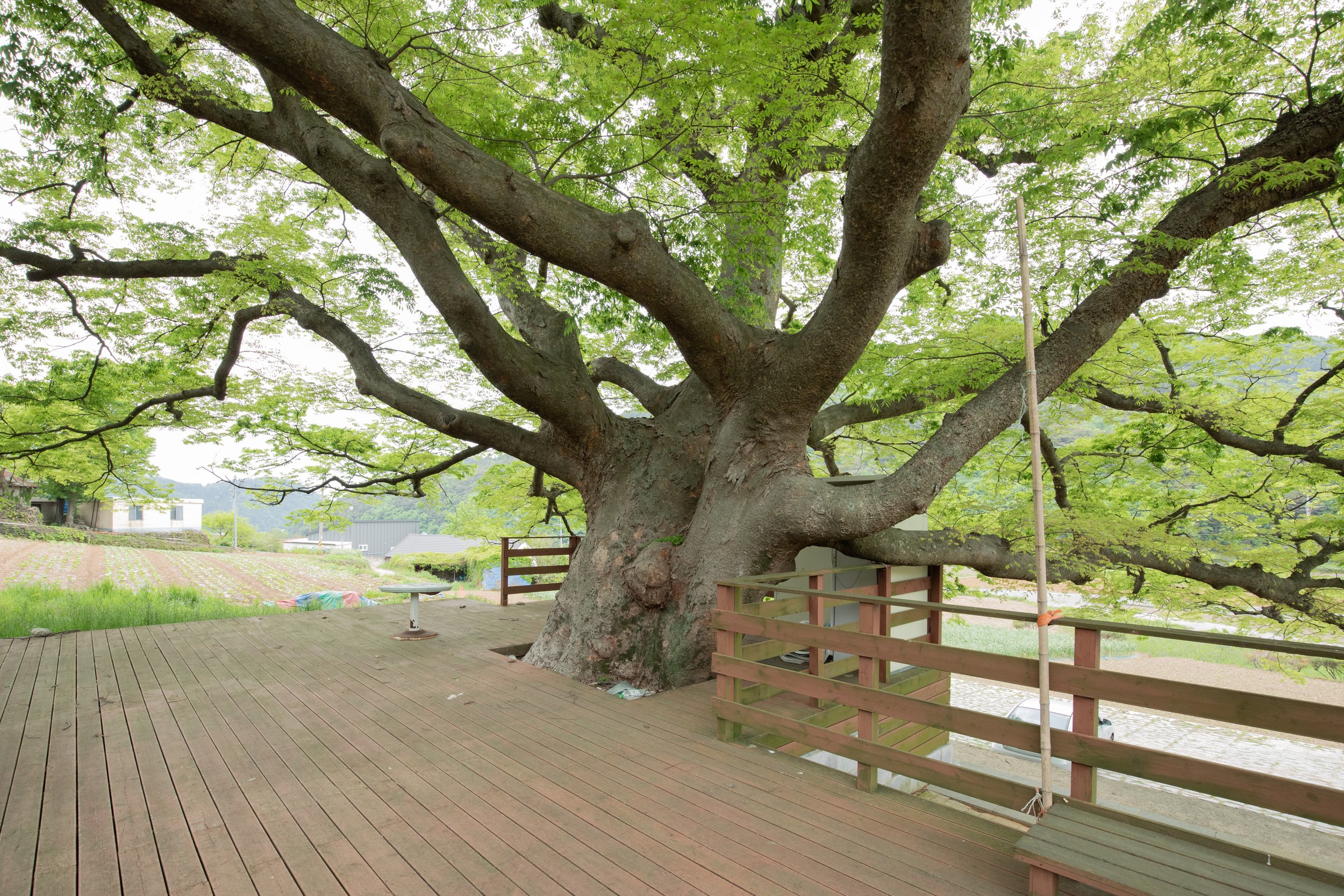
A sacred village tree rises from a timber deck with symbolic bamboo for protection in the foreground and a small farm in the background in Bukgu Maeul 북구 마을, South Korea.

Bukgu Maeul 북구 마을 #2, 2024.

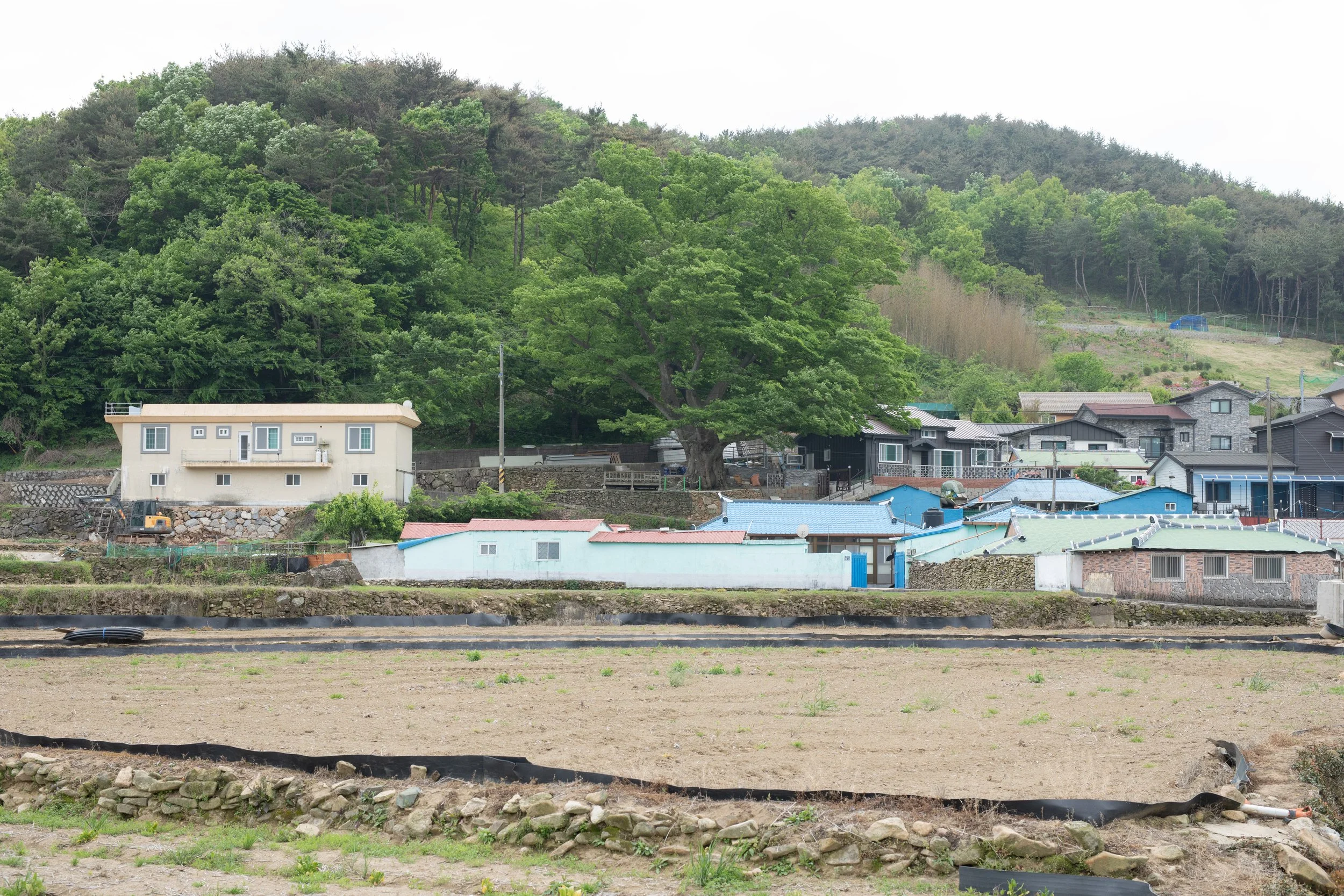
A small farm in rural South Korea with a sacred village tree in front of mountains in Oli maeul 오리마을.

Oli maeul 오리마을, 2024.

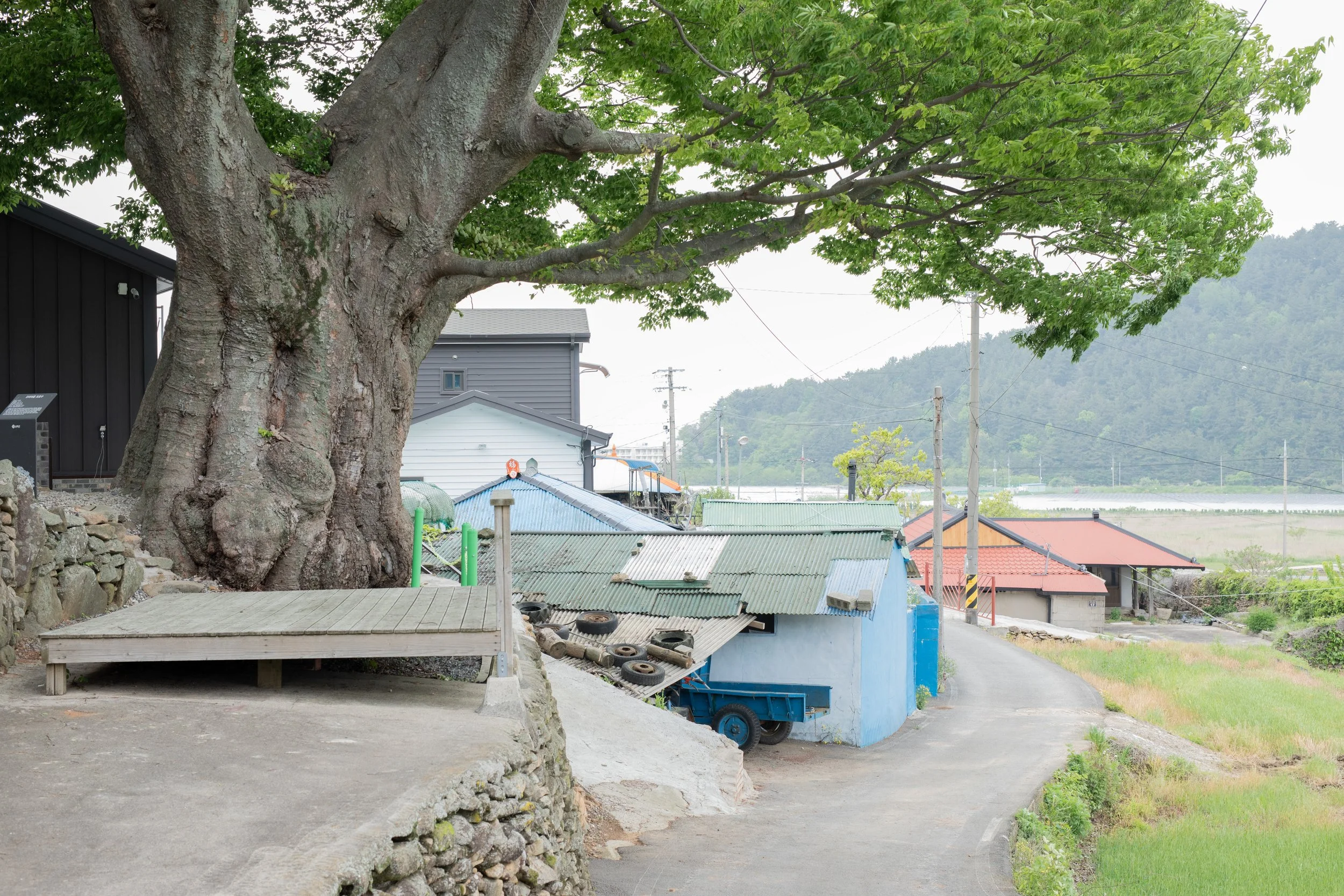
A sacred village tree leans over a rough concrete ledge beside some old country sheds in Oli maeul 오리마을, South Korea.

Oli maeul 오리마을 #2, 2024.

A country road with scattered debris and an onion patch lead to a sacred village tree in  Sangjuk-ri 상죽리, South Korea.

Sangjuk-ri 상죽리, 2024.

A bottle of fermented rice wine called Makgeolli 막걸리 is left as a ritual offering in front of a sacred village tree in Sangjuk-ri 상죽리, South Korea.

Sangjuk-ri 상죽리 #2, 2024.

Next
Next

Gyeongsangnam-do Intangible Cultural Heritage